
When web development is taking over your life
I've been working on my website for the past few days on a platform whose programming language I barely know, and it's slowly taking over my life. I started with deploying a new site, tested a few themes to fit what I needed, and next thing I knew, I’d been working on additional markups for the website.
In case you didn't know, I migrated my blog from WordPress to Hugo and hosted it on GitHub Pages (see my footer). I've transitioned from the dynamic world of content management to a Static Site Generator.
What is a static site generator
There are numerous articles online about what a static site generator, or SSG, is. For me, a static site generator eliminates the need for a web server to "build" the contents of your site.
Please speak in layman's terms. Fine!
From Netlify's What is a Static Site Generator? And 3 ways to find the best one:
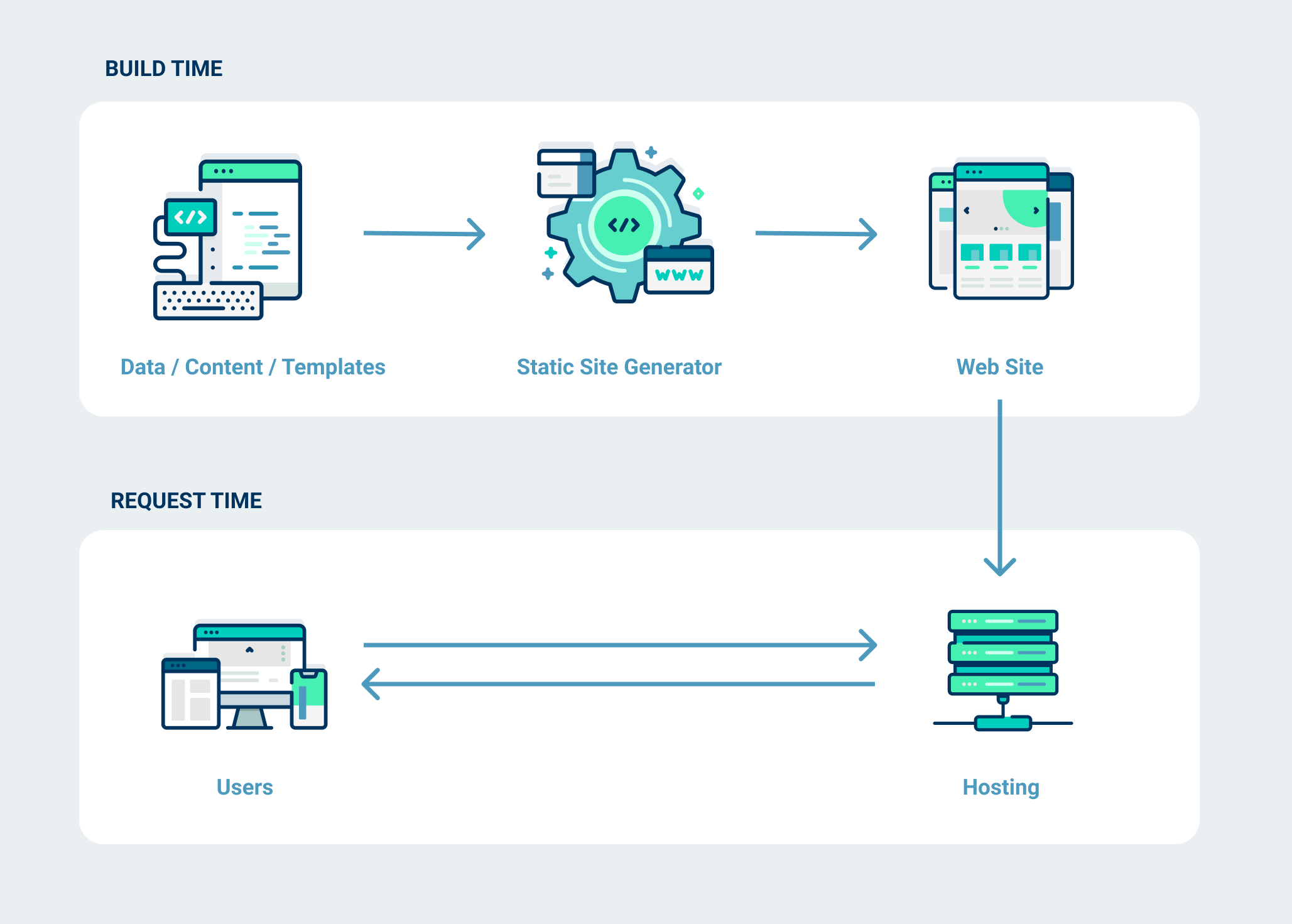
In the words from JAMstack.org:
Fast and secure sites and apps delivered by pre-rendering files and serving them directly from a CDN, removing the requirement to manage or run web servers.
But WordPress can do this as well without the hassle
I agree, but remember, WordPress needs a web host with specific MySQL and PHP versions. You also need a domain as well to have a unique presence on the web. There are companies that offer free WordPress hosting with subdomains, but there is no guarantee if Facebook would allow you to share articles from your site due to the subdomain being blacklisted.
You also need to maintain your web server: back up your files, pay for add-ons to protect your data, etc., etc., etc., but in the SSG approach, you eliminate the need for a web server because you upload your files to GitHub. If your GitHub repo is connected in GitHub Pages, then contents are already served via the .github.io sub-domain.
Okay, I'm convinced. What can you recommend?
I would recommend StaticGen. They compared all static site generators available today, and they also offer a 1-click deploy with your code in GitHub and your pages served via Netlify. If you know basic HTML, CSS, and JavaScript, then you can deploy an SSG with no hassle.
You don't need to maintain a web server because most of your code will live in GitHub. You can also have the option of making your code repo private (or public, whatever you want). Web server security will never be an issue, and your content will be served faster because it uses a Content Delivery Network.
I made the switch from WordPress to SSG two years ago, but the website is not being developed that much because I got busy with work. Now that I have more time, I can focus on developing my website. I have no regrets about making the switch. I only need to worry about the renewal of my domain.
Additional resources about free WordPress hosting from envatotuts+ and ThemeGrill.